- Contact us:
- 03300 535 600
- [email protected]


Too Hot to Work? The Case for a Legal Maximum Workplace Temperature in the UK
August 15, 2025
Navigating the New UK Recruitment Landscape in 2026: Trends, Challenges, and Opportunities
February 19, 2026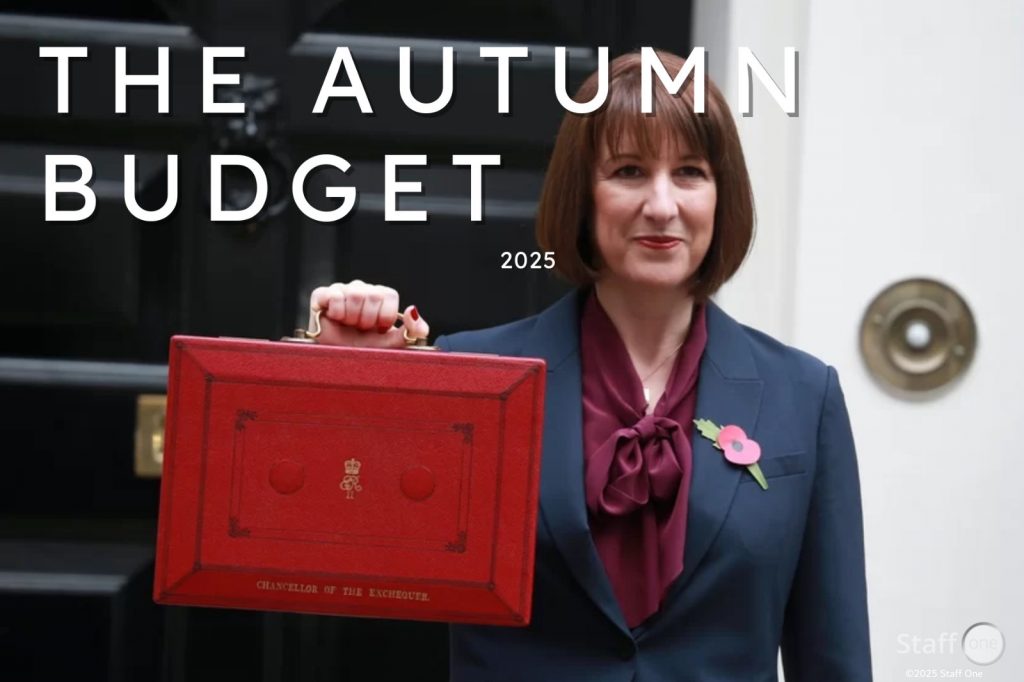
Every year, the UK Budget arrives with all the suspense of a season finale — minus the popcorn and plus a lot more spreadsheets. Employers brace, employees wonder, and somewhere in Westminster a Chancellor practises saying “fiscal responsibility” without smiling.
But behind the theatre lies the reality: the decisions made on Budget day ripple through wage packets, hiring plans, business costs and personal finances for the year ahead. And with whispers of changes to National Insurance, salary-sacrifice rules, pension incentives and minimum wage increases, this year’s announcements could be particularly impactful.
So, what exactly should employers and employees keep an eye on? Let’s break it down.
⭐ 1. Rising Cost Pressures for Employers
One of the loudest conversations this year centres on employer National Insurance Contributions. Earlier increases — paired with a lower threshold for when employers start paying NICs — already amplify staffing costs. Add in likely rises to the National Minimum Wage, and employers may face a higher wage bill even before considering pay rises or bonuses.
What this means in practice:
Employers will need to plan budgets tightly, rethink workforce strategy, and prepare for a scenario where wage settlements become trickier to balance.
⭐ 2. Changes to Pension Salary Sacrifice
Salary-sacrifice schemes, used widely for pensions, are under the spotlight. Proposals include capping the NIC-free portion of pension salary sacrifice — which could reduce the tax efficiency for both employers and workers.
What this means:
- Employers may need to review their benefits packages.
- Employees may need to rethink how they contribute to their pension tax-efficiently.
- HR teams, brace yourself for lots of “What does this mean for my pension?” emails.
⭐ 3. Fiscal Drag: The Invisible Pay Cut
Tax thresholds are expected to remain frozen — meaning more people drift into higher tax or NIC bands as wages increase in nominal terms.
Impact:
- Employees may find their take-home pay doesn’t quite feel like a pay rise.
- Employers may face pressure to adjust salaries further to counter the effect.
- Payroll teams everywhere quietly groan.
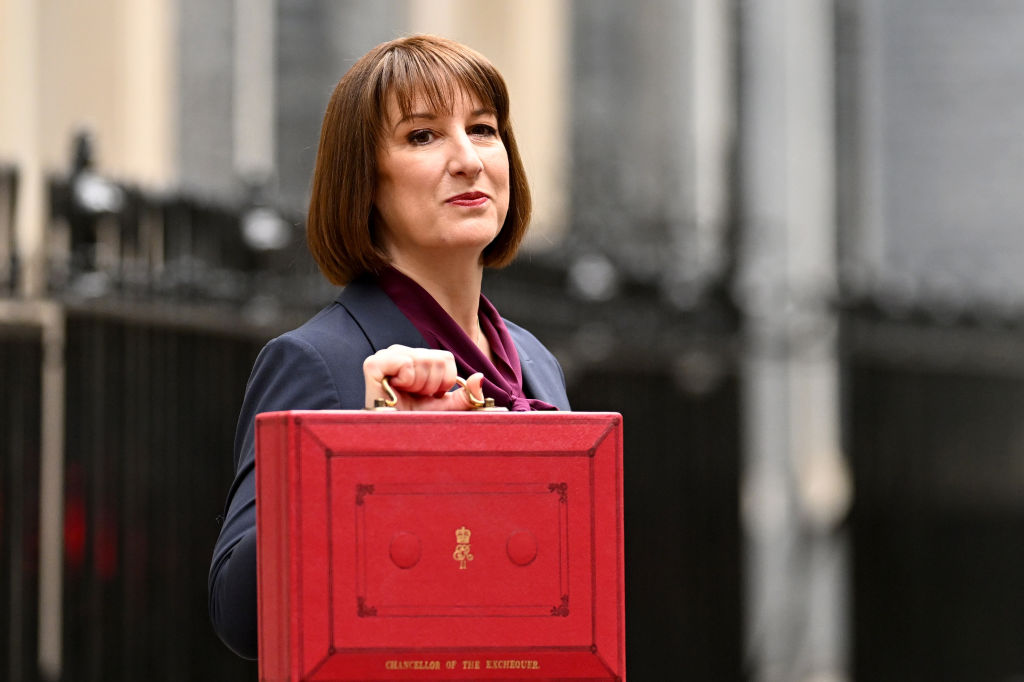
Each of us must do our bit for the security of our country and the brightness of its future.
Rachel Reeves
⭐ 4. Pressure on Wage Growth
As employer costs rise, many organisations could find themselves with less room for generous pay awards. Meanwhile, employees — faced with increased tax pressure and inflationary costs — may expect more support, not less.
This puts employers and employees on opposite sides of the same seesaw: both feeling the tension, neither quite comfortable.
⭐ 5. Minimum Wage Increases
Rumours of further rises to the National Living Wage are another key factor. For lower-paid workers, this is welcome news. For employers, particularly in retail, hospitality or care sectors, it may mean restructuring, reduced hours, or efficiency drives to absorb costs.
It’s a classic Budget balancing act: relief for some, pressure for others.
⭐ 6. What Employers Should Do Now
- Model different wage scenarios based on potential NIC or minimum wage changes.
- Review salary-sacrifice and pension arrangements for possible redesign.
- Prepare communication plans — employees will have questions.
- Consider retention strategies if wage flexibility is limited.
⭐ 7. What Employees Should Do Now
- Check your tax band and understand how frozen thresholds may affect you.
- Review your pension contributions, especially if you use salary sacrifice.
- Don’t assume a pay rise = more take-home pay — calculate the real impact.
- Ask for financial-wellbeing support if your employer offers it.
⭐ Final Thoughts
Whether you sign the cheques or receive them, this Budget looks set to shape the workplace in meaningful ways. Some changes may offer relief; others may add pressure. But knowledge is power — and planning ahead is the best strategy for smoothing out whatever bumps the Chancellor has in store.